
Over Under Shotgun in 2026: How to Choose the Right One for Clays, Upland Hunting, and Long-Term Value
March 16, 2026
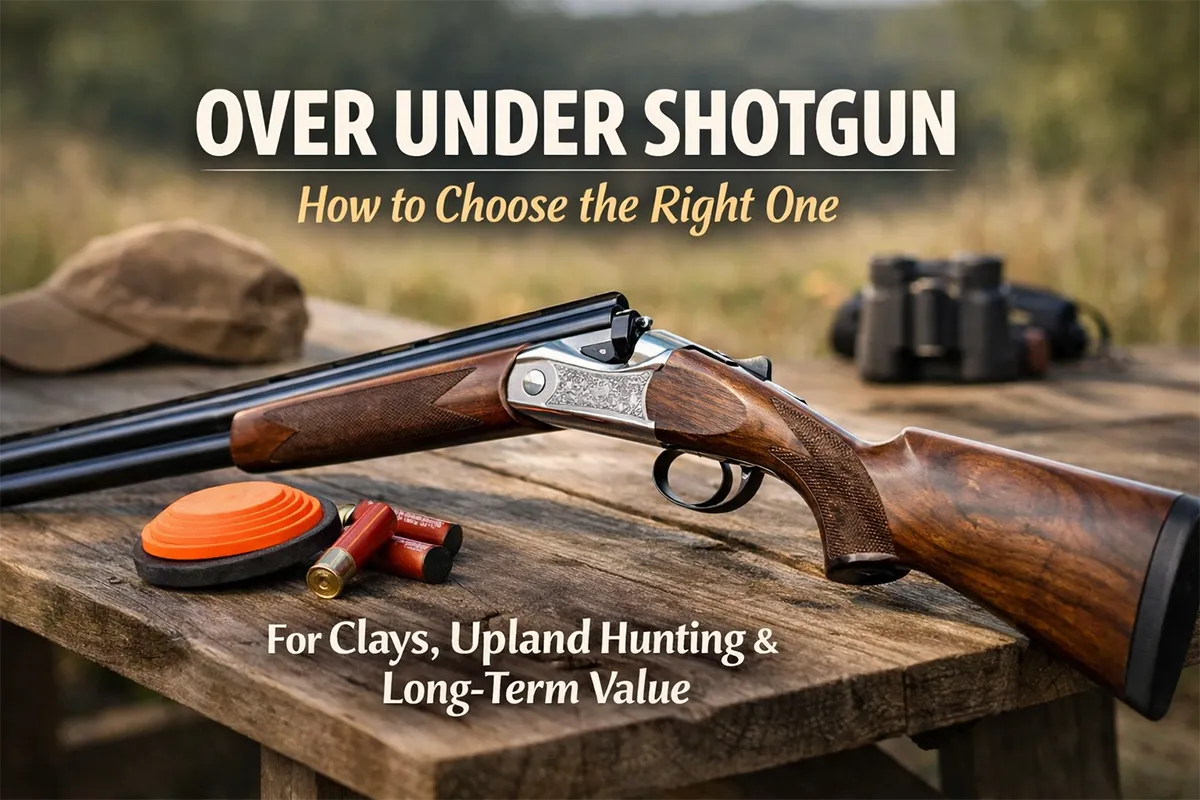
An over under shotgun is still one of the easiest ways to buy into a platform that feels refined, reliable, and purpose-built for actual shooting rather than accessory collecting. If you are researching one in 2026, the smart choice usually comes down to intended use first: clays, upland hunting, general range use, or a “buy once, keep forever” field gun. The details that matter most are fit, weight, gauge, barrel length, trigger feel, and whether you want a practical workhorse or a nicer shotgun that earns a long stay in the safe.
That is what makes this category both simple and tricky. On paper, many over-unders look broadly similar: two stacked barrels, break action, interchangeable chokes, walnut stock, and a single selective trigger. In practice, they can feel completely different. One shotgun may swing beautifully on crossing clays but feel heavy after a long upland walk. Another may carry like a dream in the field but feel a little too lively on the range. The right over-under is less about chasing prestige and more about matching the gun’s balance and purpose to your own use. Browse the full category here: Over Under Shotguns.
Why the Over Under Shotgun Still Matters in 2026
The over-under remains relevant because it solves a specific set of problems very well. It gives you a clean sight plane, simple manual of arms, and excellent balance for sports that reward mount consistency and follow-through. A break-action shotgun is also easy to inspect visually and easy to understand at a glance. For clays shooters, that simplicity matters. For hunters, the platform’s slim profile and dependable handling matter just as much.
It also occupies a sweet spot between pure utility and long-term satisfaction. A pump or semi-auto may be cheaper, and in many cases more versatile, but an over-under often feels more deliberate. You buy it because you care about handling, not just function. That does not mean it has to be expensive. It means the category invites buyers to think about fit, finish, and intended use in a more disciplined way than many first-time shotgun purchases do.
In 2026, the platform also benefits from a broad spread of choices. Buyers can research affordable entry-level sporting guns, lighter upland-oriented models, and premium names with strong long-term appeal. That wider spread is good news, but it also means the wrong kind of “deal” can pull you into a shotgun that looks right online and feels wrong in the hands.
Over Under Shotgun 2026: The Buying Factors That Matter Most
Use case comes first. Start by deciding where the shotgun will spend most of its life. A sporting-clays gun often benefits from a little more weight and steadier swing. An upland gun usually benefits from lighter carry weight and faster handling. A general-purpose over-under sits somewhere in the middle, trying not to over-specialize.
Gauge matters, but not always how people think. A 12 gauge is still the default for the broadest shell availability and the most flexibility across games and hunting roles. A 20 gauge can be an excellent answer for upland use and lighter recoil in a trimmer package. A 28 gauge is often loved by dedicated upland shooters, but it is more of a choice you grow into than a universal first pick.
Weight and barrel length shape the personality of the gun. Heavier guns with longer barrels often feel smoother on clays because they resist being over-driven. Lighter guns with shorter barrels usually feel quicker in the field. Neither is better by default. A clays shooter who buys an ultralight upland gun may regret the extra liveliness. A bird hunter who buys a heavy sporting setup may regret every extra ounce by midday.
Fit is not a luxury issue. Comb height, length of pull, and the way the shotgun meets your face all directly affect whether you look naturally down the rib. A shotgun that does not fit can make even good shooters feel inconsistent. This is one reason over-under buyers tend to become very opinionated after enough rounds: the platform rewards good fit and quickly exposes bad fit.
Chokes and stock configuration matter more than flashy details. Interchangeable choke tubes are a practical must-have for most buyers because they allow one shotgun to cover multiple roles. Adjustable combs, palm swells, and recoil pads can also be useful, especially if the gun is aimed at clay target use. Fancy engraving is pleasant; useful fit features are usually more important.
Spec Highlights and Common Buyer Lanes
| Category | Compatibility | Materials | Weight | Dimensions | Features | MSRP |
|---|---|---|---|---|---|---|
| Entry sporting / field O/U | Clays, birds, general range use | Steel receiver, walnut stock | Moderate | Usually 26–30 in. barrels | Single selective trigger, choke tubes | Varies by SKU |
| Upland-focused O/U | Bird hunting, walk-and-carry use | Steel or alloy receiver, walnut stock | Lighter by design | Often 26–28 in. barrels | Fast handling, slimmer feel | Varies by SKU |
| Sporting-clays O/U | High-volume target shooting | Steel receiver, walnut stock | Usually heavier | Often 30–32 in. barrels | Smoother swing, recoil-friendly balance | Varies by SKU |
Those lanes are more useful than obsessing over one “best” shotgun. The right question is not “Which over-under is best?” It is “Which kind of over-under best matches how I actually shoot?” That answer usually narrows the field fast.
Comparisons: Four Popular Over-Under Directions
The classic long-term keeper route: A shotgun in the intended Browning Citori 725 lane is attractive for buyers who want a name with strong reputation, broad familiarity, and a serious “keep this for decades” feel. These guns often appeal to shooters who value a more established platform and are willing to pay for stronger long-term owner confidence. For broader comparison, see Browning.
The refined all-around field-and-clays route: A model in the intended Beretta 686 Silver Pigeon I family tends to attract buyers who want a balanced, proven over-under that can cross between sporting use and field use without feeling like a compromise machine. It is a very common answer for shoppers who want quality without jumping immediately to the high end of the ladder. Compare with the wider Beretta lineup if that balance is your priority.
The value-minded entry route: An over-under like the intended CZ Redhead Premier is usually for buyers who want real over-under handling and decent versatility without stepping into premium pricing right away. This lane makes the most sense when your goal is honest use rather than prestige. The big research question is whether the gun gives you the fit, finish, and confidence you want for the money. See more from CZ-USA.
The lightweight upland route: A model like the intended Franchi Instinct SL makes sense for buyers who care more about carry comfort and field speed than soaking up hundreds of target loads in a day. This is the lane for the hunter who wants the gun to feel lively in the hands and manageable over miles, not just impressive at the bench. If that sounds right, compare options from Franchi.
Who Should Buy Which Type?
If your main goal is sporting clays or regular range use, lean toward a 12 gauge with enough weight to smooth the swing and tame recoil over longer sessions. That usually means resisting the temptation to buy the lightest field gun in the rack just because it feels great in a quick shoulder test.
If your main goal is upland hunting, especially a lot of walking, a lighter 20 gauge starts making more sense. Carry weight is not just a spec-sheet number. It is a real quality-of-life detail once the day gets long. Still, do not go so light that the gun becomes hard to control or too whippy for your shooting style.
If you want one shotgun that can do a little of both, the safest path is usually a middle-ground gun with practical barrel length, screw-in chokes, and no overly specialized features. That kind of shotgun may not be perfect at everything, but it can be very satisfying for buyers who want one break-action they can actually use often.
Common Mistakes Over-Under Buyers Make
- Buying purely on looks and ignoring fit.
- Choosing a featherweight upland gun for high-volume clays shooting.
- Assuming a 12 gauge is always the right answer just because it is the standard answer.
- Overpaying for decorative finish details while overlooking choke flexibility and stock fit.
- Underestimating how much balance and barrel length change the shooting experience.
A Simple Research Checklist Before You Commit
Write down the role first: clays, upland, mixed use, or long-term heirloom-style field gun. Then compare candidates by gauge, unloaded weight, barrel length, choke system, and whether the stock dimensions look realistic for your build. After that, be honest about budget. In over-unders, paying a bit more can sometimes buy noticeably better long-term satisfaction, but only if the gun’s actual role matches your own. A beautiful clays gun is still the wrong tool for a hunter who wants minimum carry weight. And a light upland wand may stop being charming around round 75 on the sporting course. The best pick is the one that makes the most sense before you fall in love with the engraving.