
Compact 2011 Pistols: 2025 Buyer’s Deep Dive
December 24, 2025
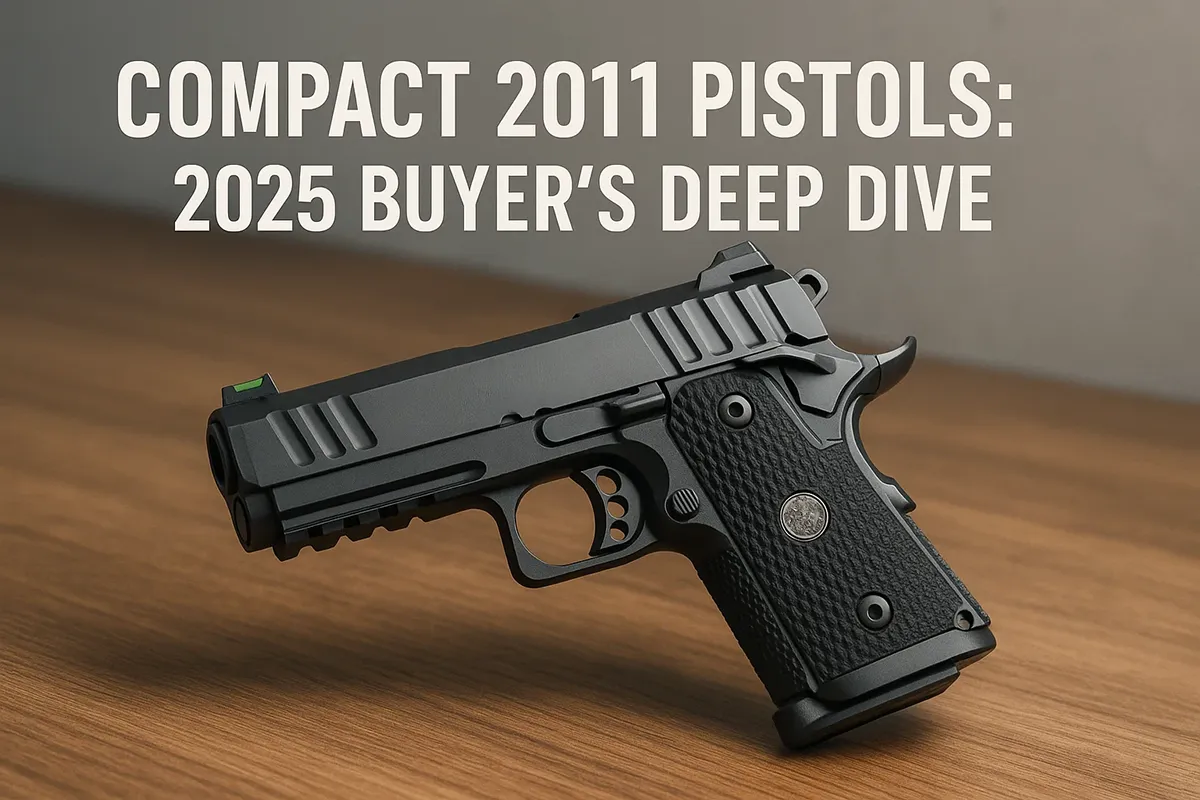
Compact 2011 pistols blend classic 1911 ergonomics with modern, double-stack capacity and optics-ready slides. If you want a crisp single-action trigger, familiar controls, and 15–20+ rounds in a carryable package, this guide explains what matters—and which brands to start with.
On November 20, 2025, compact 2011 pistols are firmly mainstream. This deep dive cuts through the hype to clarify the platform (a double-stack, single-action, 1911-pattern pistol), how it differs from single-stack 1911s and striker-fired compacts, and what features actually move the needle for everyday carry, range use, and competition. We’ll also point you to brand pages and a category hub so you can compare current models side-by-side without getting lost in marketing buzz.
Why Compact 2011 Pistols Are Trending in 2025
The short version: shooters want familiar 1911 handling and a clean, consistent single-action press, but they don’t want to give up capacity or optics cuts. Compact 2011s deliver that peanut-butter-and-jelly combo—classic feel with modern practicality. Compared to polymer striker pistols, you typically get a crisper break and shorter reset; compared to traditional 1911s, you get double-stack magazines, lightened slides, and factory-ready optics mounting. Many models now ship with accessory rails, texture that works with gloves, and iron sights sized to co-witness with micro red dots.
If you want to browse broadly, start at our Semi-Auto Pistols category to see how compact 2011s stack against other EDC-size handguns. For brand-specific overviews and specs, check out Staccato, Springfield Armory, Kimber, and EAA (Girsan/Tanfoglio ecosystem).
The Trend
Over the last month, the compact 2011 conversation has centered on three practical upgrades:
- Optics-first slides: Factory cuts for popular footprints and plate systems are now table stakes. Tall, suppressor-height irons that clear dot housings are increasingly standard.
- Magazine reliability: Better feed-lip geometry and followers have reduced early teething pains. Expect 15–20-round mags to run well once paired with the right springs and ammo weight.
- Carryable weights: Aluminum or “monolithic” frames help keep loaded carry weights in check, landing many compacts in the ~28–35 oz zone with a dot and 15-round mag.
For buyers moving from a striker pistol, the biggest difference you’ll notice is the trigger. A good 2011 compact will have a short, light, consistent single-action break and a tactile reset that promotes accuracy and speed. Just remember: single-action pistols with manual safeties require consistent “on safe, off safe” training and holstering discipline.
Spec Highlights & Standouts
- Trigger quality: Most compact 2011s target a ~4–5 lb single-action pull with minimal creep. That crisp wall is a big reason shooters move to the platform for both carry and range accuracy.
- Mag ecosystem: There’s no single “universal 2011 mag.” Brands may use proprietary base pads, catch cuts, or springs. When in doubt, start with factory mags for the highest probability of out-of-box reliability, then expand.
- Optics support: Look for RMSc/DeltaPoint Pro/RMR-pattern support or modular plate systems. Proper plate fit and screw length matter for longevity under recoil.
- Materials & finish: Stainless or carbon-steel slides are common; frames may be steel or lightweight alloys. Coatings (nitride, DLC, Cerakote) aim to resist wear and corrosion from daily carry.
- Controls & ergonomics: Ambi safeties, extended beavertails, and high-cut trigger guards help with high-grip control. Checkering or laser-textured panels add consistency without sandpapering your skin.
- Barrel & comp options: Threaded barrels and micro comps show up on some trims; they tame muzzle rise but can add length and blast. Balance “flat shooting” with concealment needs.
- Support gear: Confirm holster fit for dust-cover length and rail profile, especially on railed compacts with squared trigger guards. Dots and tall irons may change holster clearance.
Comparisons
Below are four well-known compact 2011-style options to frame your search. We’ve linked to brand pages for specs and ecosystem context; model-specific pages will be built out as needed.
- Staccato C2 — Benchmark carry-size 2011 feel with proven mags and wide holster/dot support.
- Springfield Armory Prodigy 4.25” AOS — Optics-forward, value-priced entry with plate system and rail.
- Kimber KDS9c — Slimmer double-stack 1911-inspired format with carry optics in mind.
- EAA (Girsan) Witness 2311 family — Budget-friendly path into the format with growing parts/mag support.
If you’re weighing a compact 2011 against a polymer striker pistol, the trade is simple: the 2011 generally offers a nicer trigger and metal-gun recoil feel, while the striker wins on weight, price, and out-of-the-box simplicity. Against a traditional 1911 Commander, the double-stack brings capacity and optics mounting, but it’s usually heavier and may be pickier about magazines and ammo during break-in.
What to Watch Next
Mag availability and standardization: Expect more reliable, widely available compact 2011 magazines as demand stays high.
Optics durability on carry guns: With more shooters carrying dots daily, we’ll see clearer guidance on plate torque, screw retention, and maintenance intervals to keep compacts running hard.
Caliber experiments: Nine-millimeter remains king for capacity and control, but watch for occasional 10mm/38 Super/9 Major variants targeted at niche competition or backcountry roles.
Browse related models in Semi-Auto Pistols, and dive into brand ecosystems at Staccato, Springfield Armory, Kimber, and EAA to see current trims, finishes, and magazine options.